Image
30/06/2026 | by Silver Ant Tattoo

The Ultimate Guide to Realism Tattoos (2026) - Chapter 2 — The Evolution of Realism Tattoo

The Ultimate Guide to Realism Tattoos (2026)

Chapter 2

The Evolution of Realism Tattoo

From Renaissance Masters to Modern Tattooing


Quick Answer

Realism tattoo did not begin with tattooing.

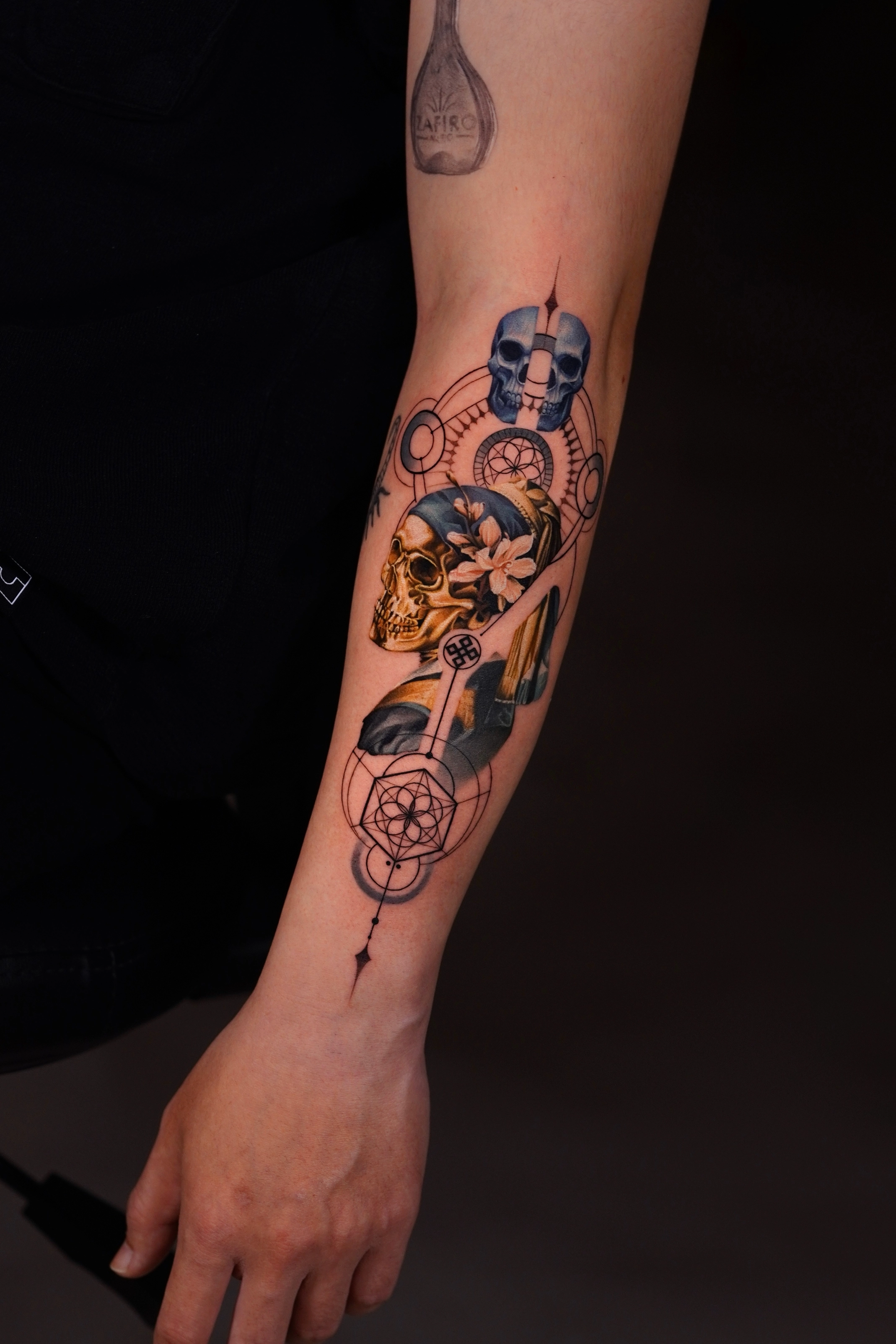
Its artistic foundations were developed centuries earlier through Renaissance painting, classical sculpture, anatomy, and the study of light. Today's realism tattoo artists still rely on many of the same visual principles used by masters such as Leonardo da Vinci and Caravaggio—only the canvas has changed from paper and stone to living human skin.

Understanding where realism comes from helps explain why the world's best realism tattoos are designed through artistic interpretation rather than simple photographic reproduction.


Why History Still Matters

Every realism tattoo tells two stories.

The first belongs to the client.

The second belongs to more than five hundred years of artistic evolution.

Many people assume realism tattooing became possible because tattoo machines improved.

Modern equipment certainly helped.

But technology alone never creates great art.

The foundations of realism were established long before electricity, rotary tattoo machines, or digital reference photos existed.

Artists first had to answer a much more difficult question:

How do you convince the human brain that a flat surface has depth?

That question shaped centuries of artistic development—and still guides professional realism tattooing today.


Before Tattoos Learned Realism, Painters Did

Long before tattoo artists began creating photorealistic portraits, painters dedicated their lives to understanding anatomy, proportion, perspective, and light.

The Renaissance marked a turning point.

Artists were no longer satisfied with symbolic representations.

They wanted viewers to feel that figures occupied real space.

That ambition transformed Western art.

Leonardo da Vinci dissected human bodies to understand muscle structure and movement.

Michelangelo studied sculpture to give painted figures believable volume.

Raphael refined balance and composition.

Centuries later, these same ideas remain fundamental to realism tattooing.

Although the tools have changed, the visual language has not.

Professional realism artists continue asking the same questions:

  • Where is the light source?

  • Which areas deserve the highest contrast?

  • What should become the visual focal point?

  • Which details strengthen the illusion—and which simply create noise?


Artist Insight

"When designing a realism tattoo, we don't think like printers—we think like painters. Every decision begins with light, not with lines."

— Silver Ant Tattoo

Chiaroscuro: The Secret Behind Depth

One of the most influential artistic concepts behind realism is chiaroscuro, an Italian term describing the dramatic use of light and shadow to create three-dimensional form.

Caravaggio became one of its greatest masters.

Instead of illuminating every part of a subject equally, he deliberately allowed large areas to disappear into darkness while directing light toward the most important visual elements.

This approach transformed flat paintings into emotionally powerful scenes.

Modern realism tattooing follows exactly the same principle.

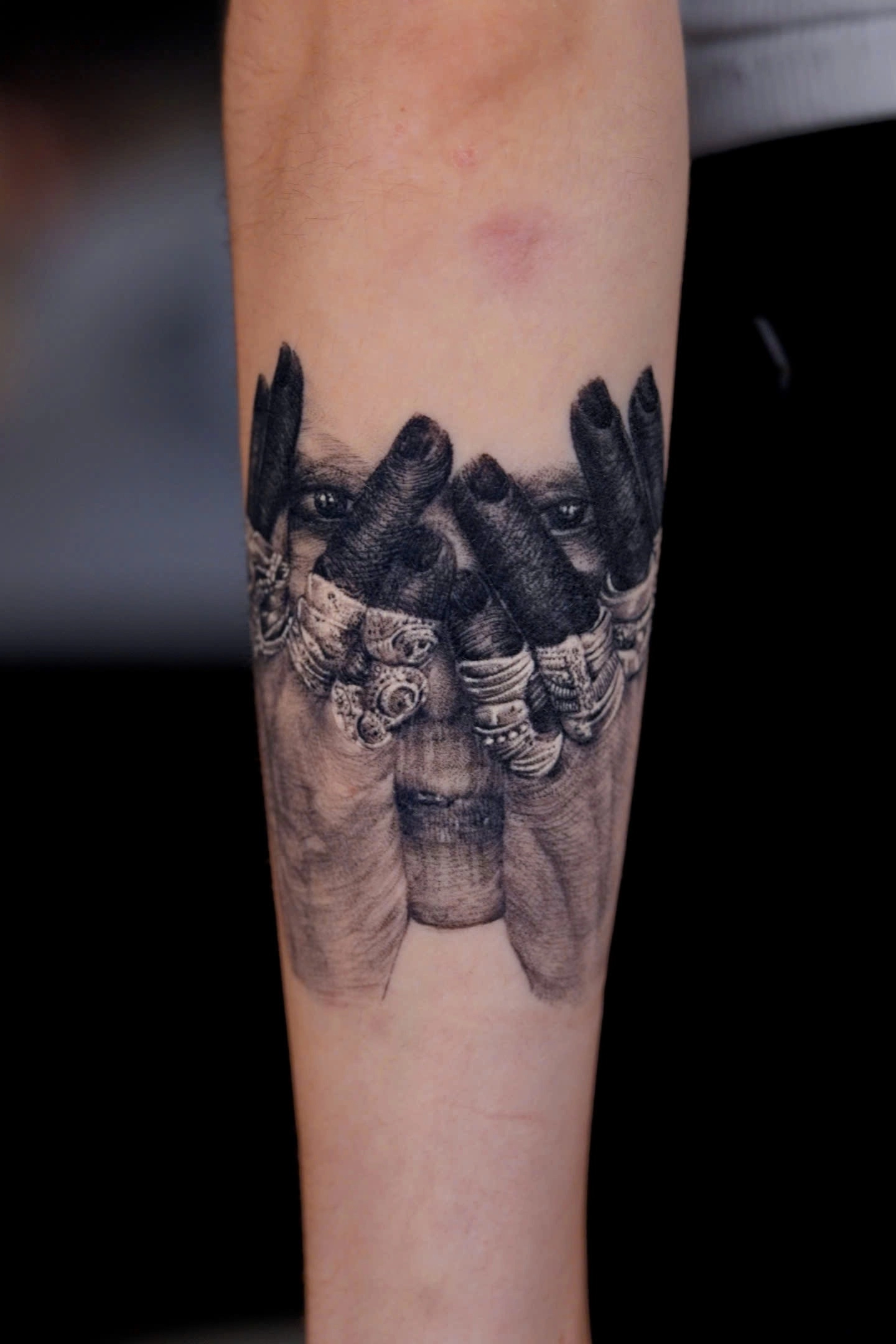
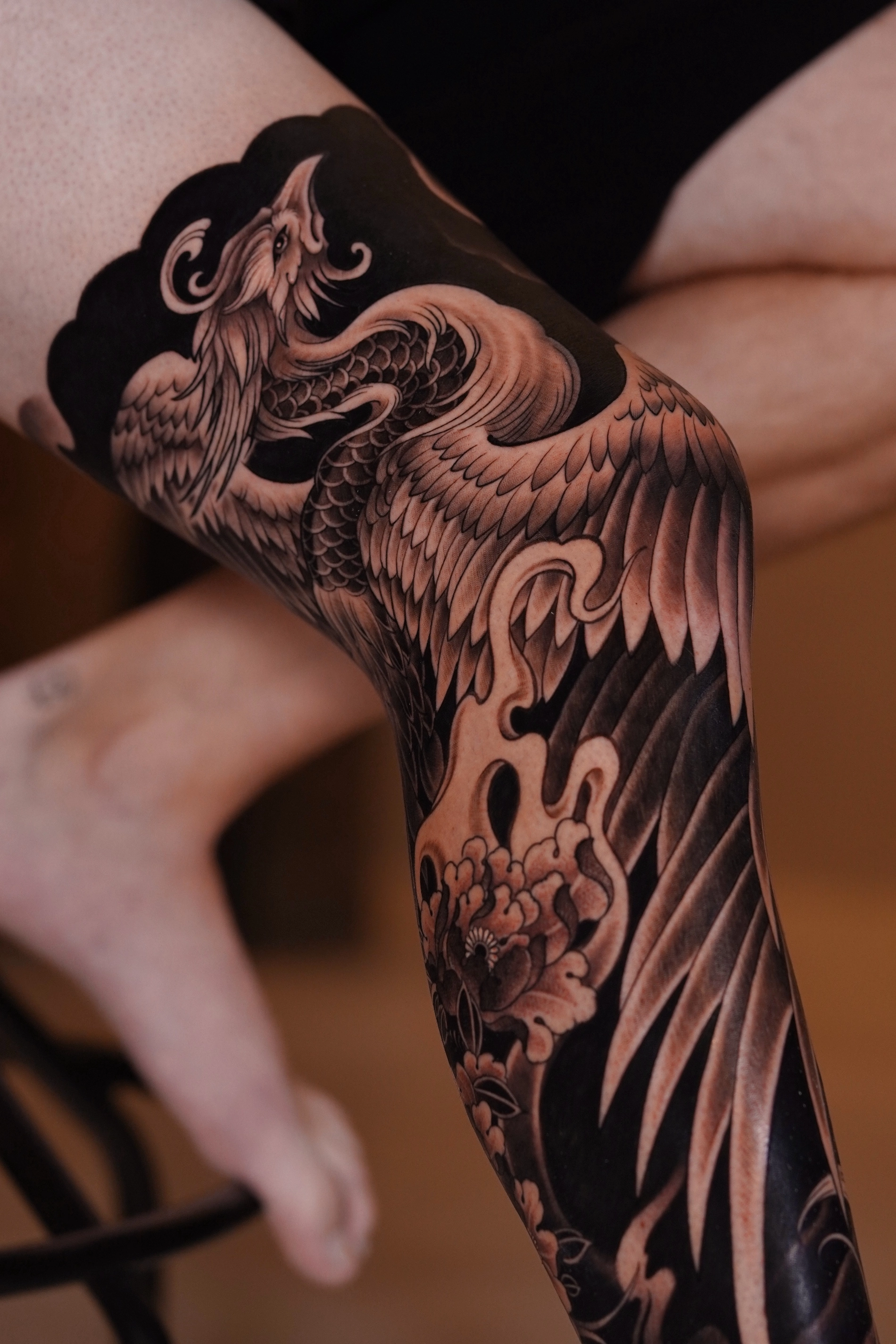
Depth is created not by adding more details, but by controlling contrast.

Dark values push forms backward.

Highlights bring them forward.

Soft transitions connect the two.

Without contrast, realism disappears.

Without restraint, contrast loses its impact.


Did You Know?

Many inexperienced artists believe realism improves by adding more detail.

Professional artists often improve realism by increasing contrast instead.

Human vision identifies large tonal relationships before it notices tiny textures.


Why Photography Changed Everything

Photography fundamentally transformed realism.

For the first time, artists could study frozen moments with incredible precision.

Portraits became more accurate.

Expressions became more natural.

Lighting could be analysed frame by frame.

Eventually, tattoo artists adopted photography as a reference tool.

But references should never become limitations.

A camera records information objectively.

An artist edits information intentionally.

That difference explains why copying every pixel from a photograph rarely produces the strongest tattoo.

Professional artists simplify.

Strengthen.

Recompose.

Interpret.

The final tattoo should communicate the same emotion as the photograph—not necessarily the exact same pixels.

If you're preparing reference images for your own project, our Tattoo Design Process Guide (/tattoo-guides/tattoo-design-process) explains how professional artists transform reference photos into custom tattoo compositions.


Scientific Note

Human visual perception is selective rather than literal. The brain constantly prioritises contrast, structure, and familiar patterns over complete visual information. This is one reason why carefully simplified artwork can often appear more convincing than a perfectly literal reproduction.

Further Reading


Modern Tattooing: Technology Expanded the Possibilities

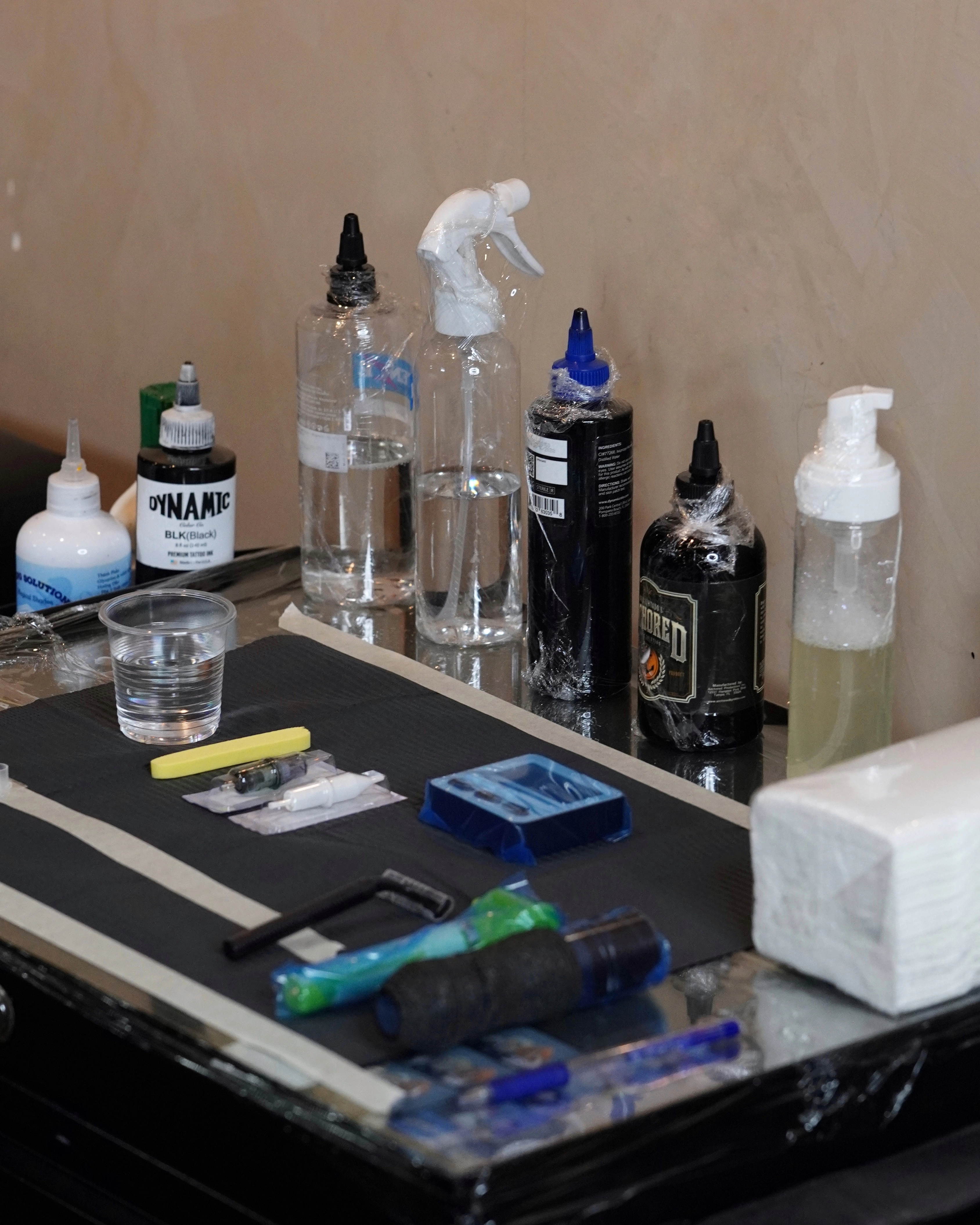
Contemporary realism tattooing benefits from extraordinary technological advances.

High-quality pigments.

Precision needle cartridges.

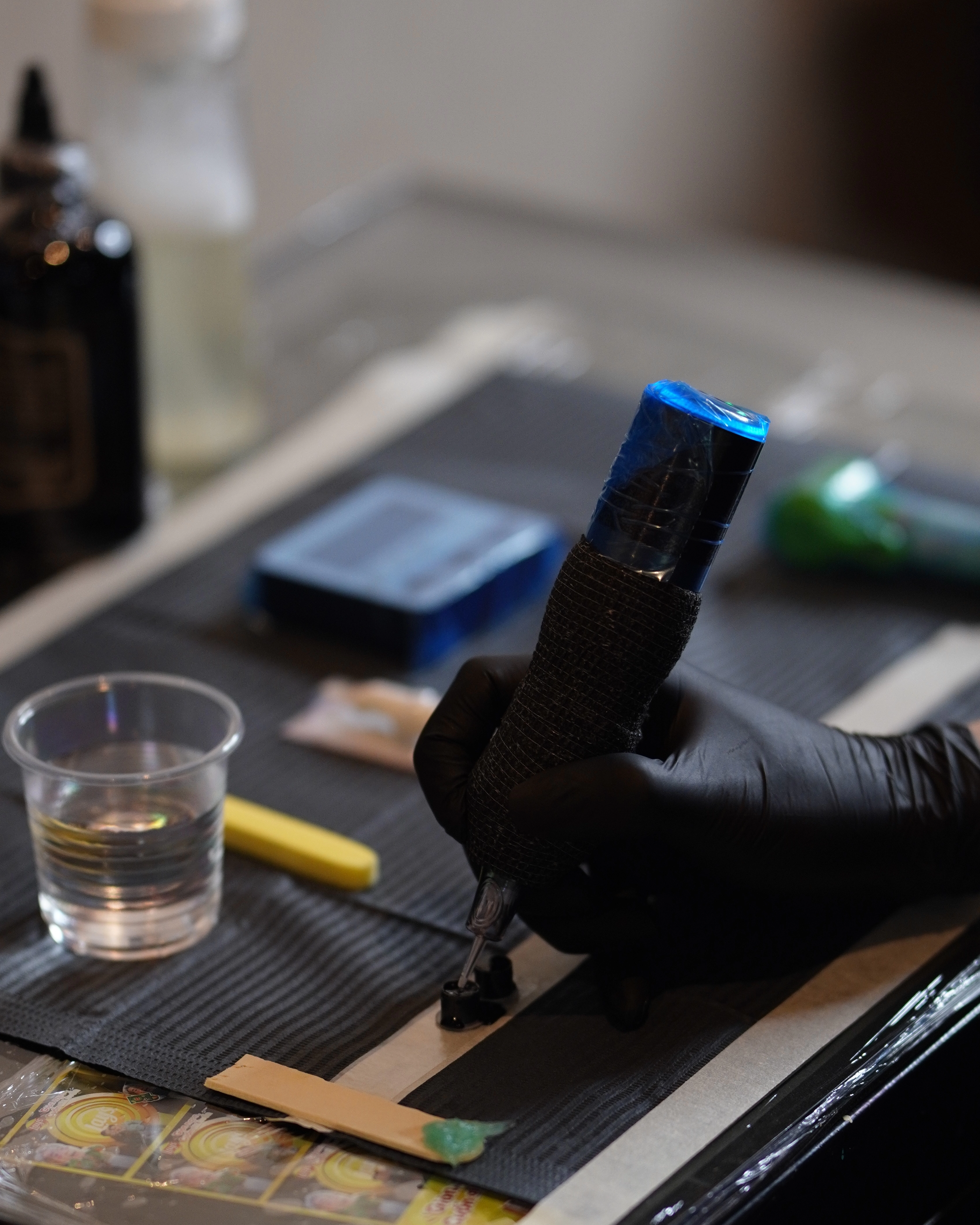
Rotary tattoo machines.

Digital design software.

High-resolution photography.

All of these tools allow artists to work with greater consistency than ever before.

Yet technology only expands possibility.

It never replaces understanding.

Two artists may own identical equipment.

One creates tattoos that remain striking after ten years.

The other produces work that loses depth within months.

The difference is rarely found inside the machine.

It is found inside the artist's understanding of light, composition, anatomy, and skin.

This is why choosing a Realism Tattoo Artist involves much more than reviewing fresh portfolio photos. We always recommend examining healed work and discussing the artist's design philosophy before making a decision. Learn more in our How to Choose a Tattoo Artist Guide (/tattoo-guides/how-to-choose-a-tattoo-artist).


Common Misconception

"Better equipment automatically creates better realism tattoos."

Professional machines improve consistency.

They do not replace artistic judgement.

The same machine placed in two different hands will produce two completely different tattoos.

Equipment supports technique.

Knowledge shapes the result.


Key Takeaways

✔ Realism tattoo is rooted in centuries of artistic tradition.

✔ Renaissance painters solved many of the same visual problems tattoo artists face today.

✔ Chiaroscuro remains one of the most important principles behind believable depth.

✔ Photography became a valuable reference tool—but references should always be interpreted, not copied.

✔ Technology improves execution, but artistic understanding remains the defining factor.


Continue Exploring

Next Chapter

Chapter 3 — How the Human Eye Sees Realism: Why Your Brain Recognises Great Tattoos Instantly

Related Guides:

  • Tattoo Design Process/tattoo-guides/tattoo-design-process

  • Portrait Tattoo Guide/tattoo-styles/portrait-tattoo

  • Black & Grey Realism Tattoo/tattoo-styles/black-grey-realism-tattoo

  • Color Realism Tattoo/tattoo-styles/color-realism-tattoo


End of Chapter 2