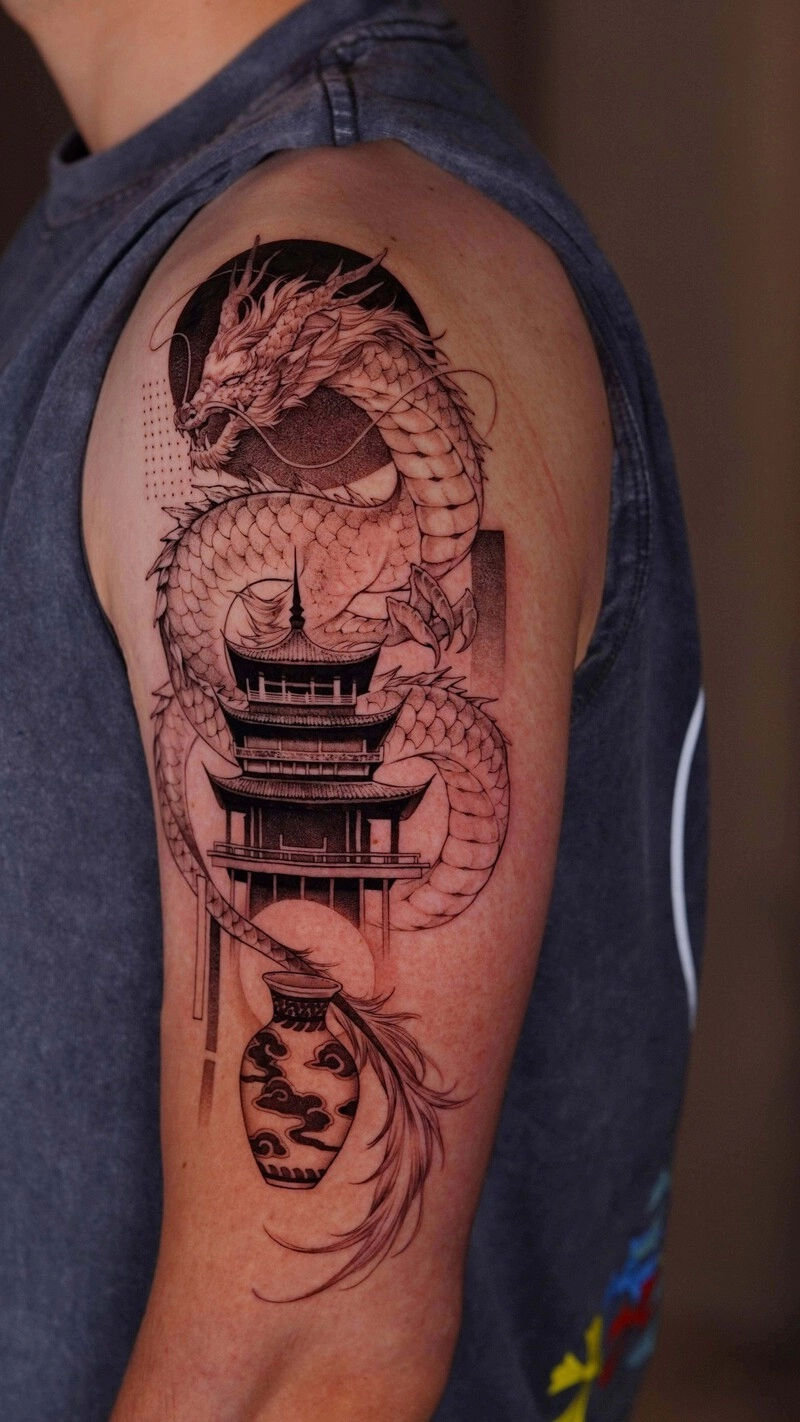
Asian Dragon Drawing and Its Unique Characteristics in Eastern Art



The dragon is a familiar symbol in many Asian cultures, representing power, wisdom, and prosperity. Asian dragon drawing is not only an art form but also reflects the long-standing cultural values and traditions of the East. In this article, Silver Ant Tattoo will explore the distinctive characteristics of Asian dragon art and the reasons why this iconic image continues to attract artists and art lovers around the world.
The Origin of the Dragon Symbol in Asian Culture
The dragon is one of the oldest and most important symbols in Asian culture. For thousands of years, the image of the dragon has appeared in myths, folklore, art, and architecture across many countries such as China, Japan, and Korea. Ancient legends often describe dragons as powerful celestial beings that control water, rain, and natural forces, making them closely connected to agriculture and prosperity in many Asian societies.
In Eastern beliefs, the dragon usually symbolizes power, wisdom, good fortune, and prosperity. Emperors and royal families in ancient China even used the dragon as a symbol of authority and divine protection. Dragons were commonly featured in royal palaces, temples, traditional paintings, and decorative patterns to represent strength and harmony with nature.
Unlike Western dragons, which are often portrayed as fierce creatures that must be defeated, Asian dragons are generally seen as benevolent and auspicious beings that bring blessings and protection. They are believed to guard sacred places, control the weather, and bring balance between heaven and earth.
For this reason, Asian dragon drawing is not simply an artistic style. It is also a way to preserve and express the cultural values, mythology, and spiritual beliefs that have shaped Eastern civilizations for centuries. Through intricate lines, flowing shapes, and symbolic details, artists use dragon imagery to celebrate the deep cultural heritage of Asia.
Outstanding Characteristics of Asian Dragon Drawing
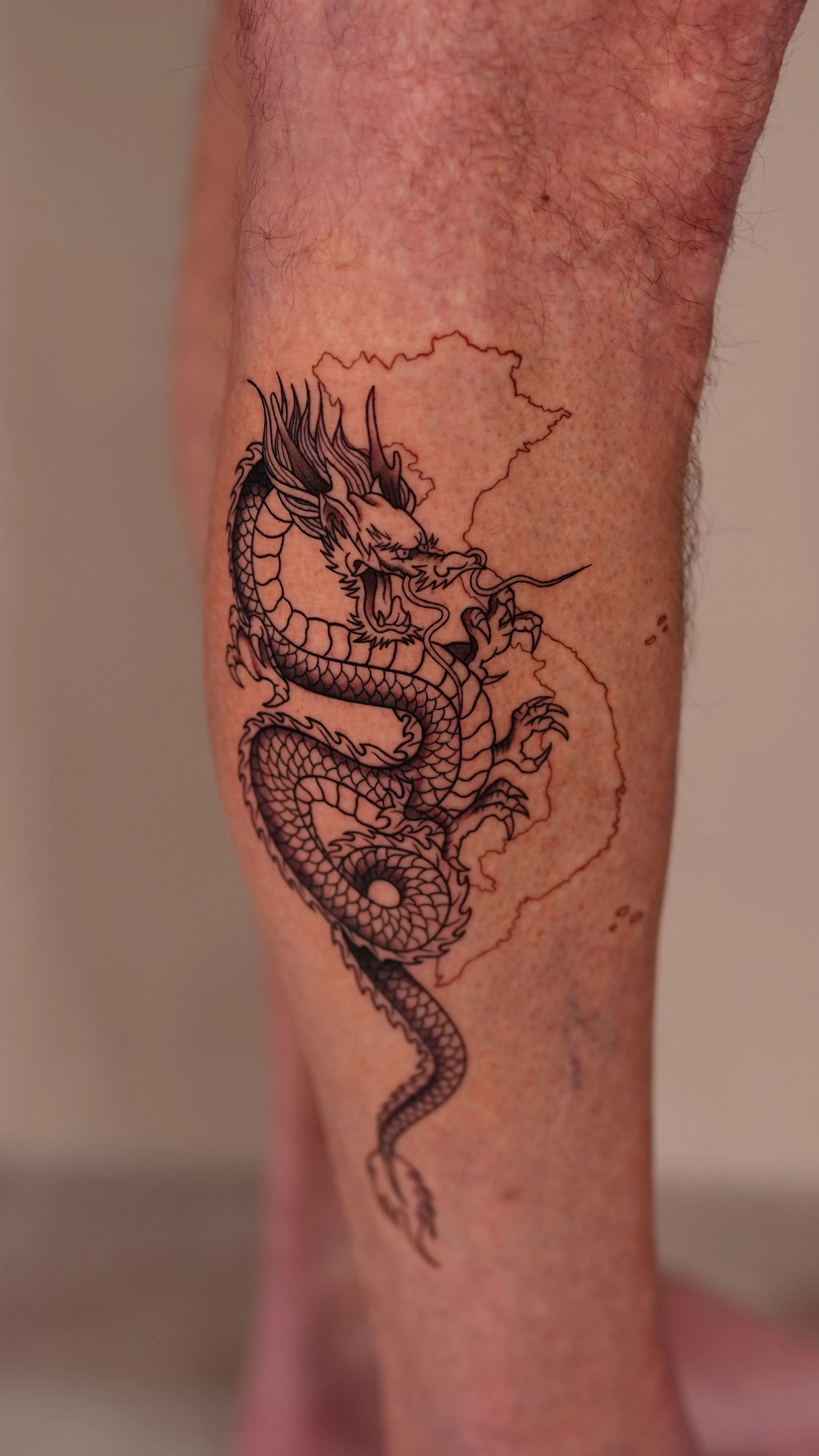
Asian dragon drawing has many distinctive characteristics that set it apart from dragon imagery in Western art. These unique details not only create a powerful visual style but also reflect the deep cultural meanings of dragons in various Asian traditions.
Some notable characteristics of Asian dragon drawing include:
- Long and flexible body: Asian dragons are often depicted with long, snake-like bodies and smooth, flowing curves. This design gives the drawing a strong sense of movement, making the dragon appear dynamic and alive.
- Intricate details: Features such as horns, long whiskers, scales, manes, and sharp claws are usually illustrated with great attention to detail. These elements enhance the dragon’s majestic and powerful appearance in the artwork.
- Majestic and powerful expression: In many Asian dragon drawings, the dragon is portrayed with sharp eyes, a fierce expression, and a commanding posture. This helps convey the creature’s authority and mythical power.
- Deep symbolic meaning: Each element of the dragon often carries symbolic significance, representing strength, wisdom, good fortune, and prosperity in Eastern culture.
Thanks to the combination of flowing lines and richly symbolic details, Asian dragon drawing has become a unique artistic style that is admired and practiced by many artists around the world.
See more: American Trad Dragon Tattoo and Its Symbolic Meaning in Old School Tattoo Art
Asian Dragon Drawing Styles in Different Asian Countries
Although the dragon appears widely in many Asian cultures, each country has its own way of representing it in Asian dragon drawing. These differences can be seen in the dragon’s shape, details, and symbolic meanings within each culture.
Chinese Dragons
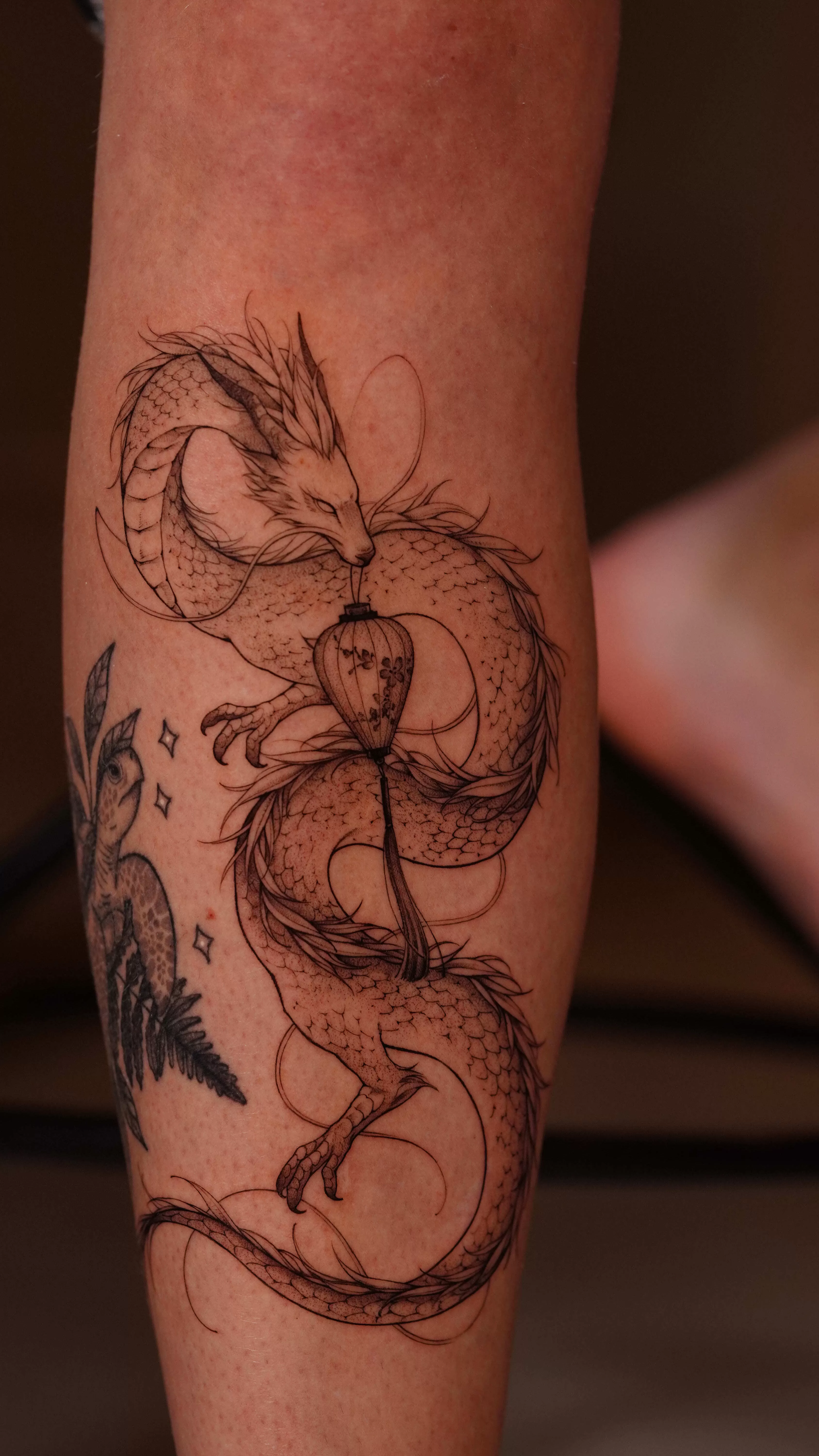
Chinese dragons are the most familiar and influential figures in the style of Asian dragon drawing. They are typically depicted with long, winding bodies, large horns, long whiskers, and five claws—features that were historically associated with imperial symbolism.
In Chinese art and culture, the dragon represents power, prosperity, and good fortune. For this reason, dragon imagery frequently appears in paintings, architecture, festivals, and traditional works of art.
Japanese Dragons
Japanese dragons share some similarities with Chinese dragons but are often more slender and simpler in design. Typically, Japanese dragons have three claws and are drawn with softer, more refined lines.
In Japanese Asian dragon drawing styles, dragons are often connected with natural elements such as water, rain, and the sea. Japanese artworks usually emphasize balance, gentle movement, and harmonious composition.
Korean Dragons
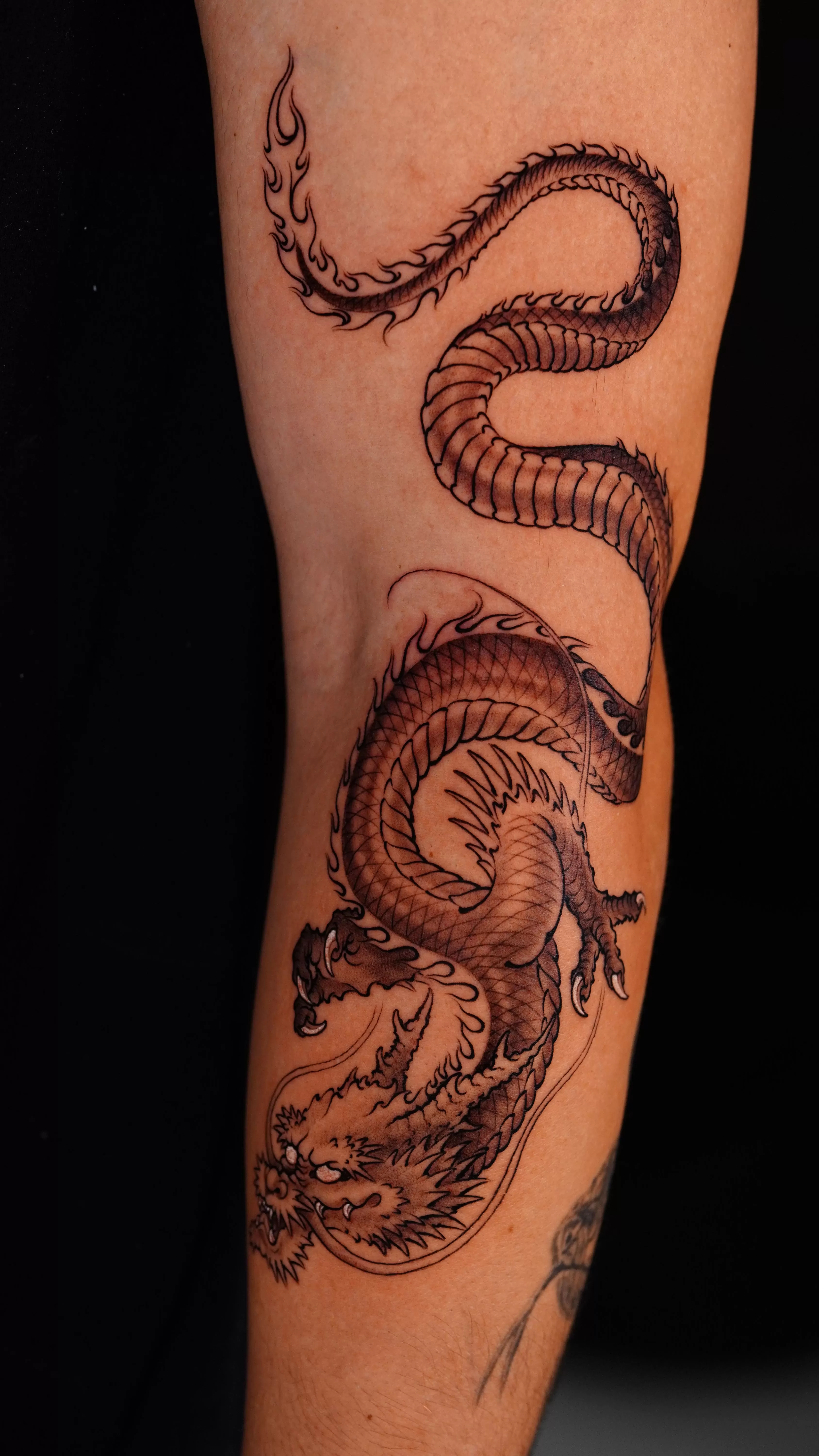
Korean dragons are generally portrayed as more gentle and friendly compared to many other dragon depictions. In Asian dragon drawing, Korean dragons often appear majestic yet not overly fierce.
In Korean culture, dragons symbolize wisdom, protection, and good fortune. Dragon imagery frequently appears in traditional paintings, palace decorations, and various forms of folk art.
Thanks to these diverse interpretations, Asian dragon drawing has become a rich and varied artistic style that clearly reflects the cultural identity of different Asian countries.
How to Create an Impressive Asian Dragon Drawing for Beginners
If you want to start with Asian dragon drawing, understanding the basic steps will make the drawing process easier and more effective. With patience and attention to the distinctive details of Asian dragons, you can create beautiful and impressive artworks.
Below are some basic steps for beginners:
- Sketch the overall shape: First, draw a long curved line to create the framework for the dragon’s body. The body should flow naturally with smooth curves to represent the flexibility and movement typical of Asian dragons.
- Add the main features: After creating the basic structure, start drawing the dragon’s head, horns, long whiskers, legs, and claws. These details help define the dragon’s shape and make it more recognizable.
- Draw scales and decorative patterns: Next, add details such as scales, mane, or decorative patterns along the body. This is an important step that makes the Asian dragon drawing more vivid and reflects the traditional Asian artistic style.
- Refine and add depth: Finally, refine the lines, add shading, and include smaller details to create depth in the drawing. You can also add color or special effects to make the artwork more striking.
With regular practice and experimentation with different styles, you will gradually develop unique Asian dragon drawing artworks that reflect your personal creativity.
See more: Impressive Abstract Dragon Tattoo Designs for Tattoo Art Lovers
Applications of Asian Dragon Drawing in Art and Design
Today, Asian dragon drawing not only appears in traditional paintings but is also widely used in many modern creative fields. With its powerful form and deep symbolic meaning, the image of the Asian dragon has become a source of inspiration for many artists and designers.
Some common applications of Asian dragon drawing include:
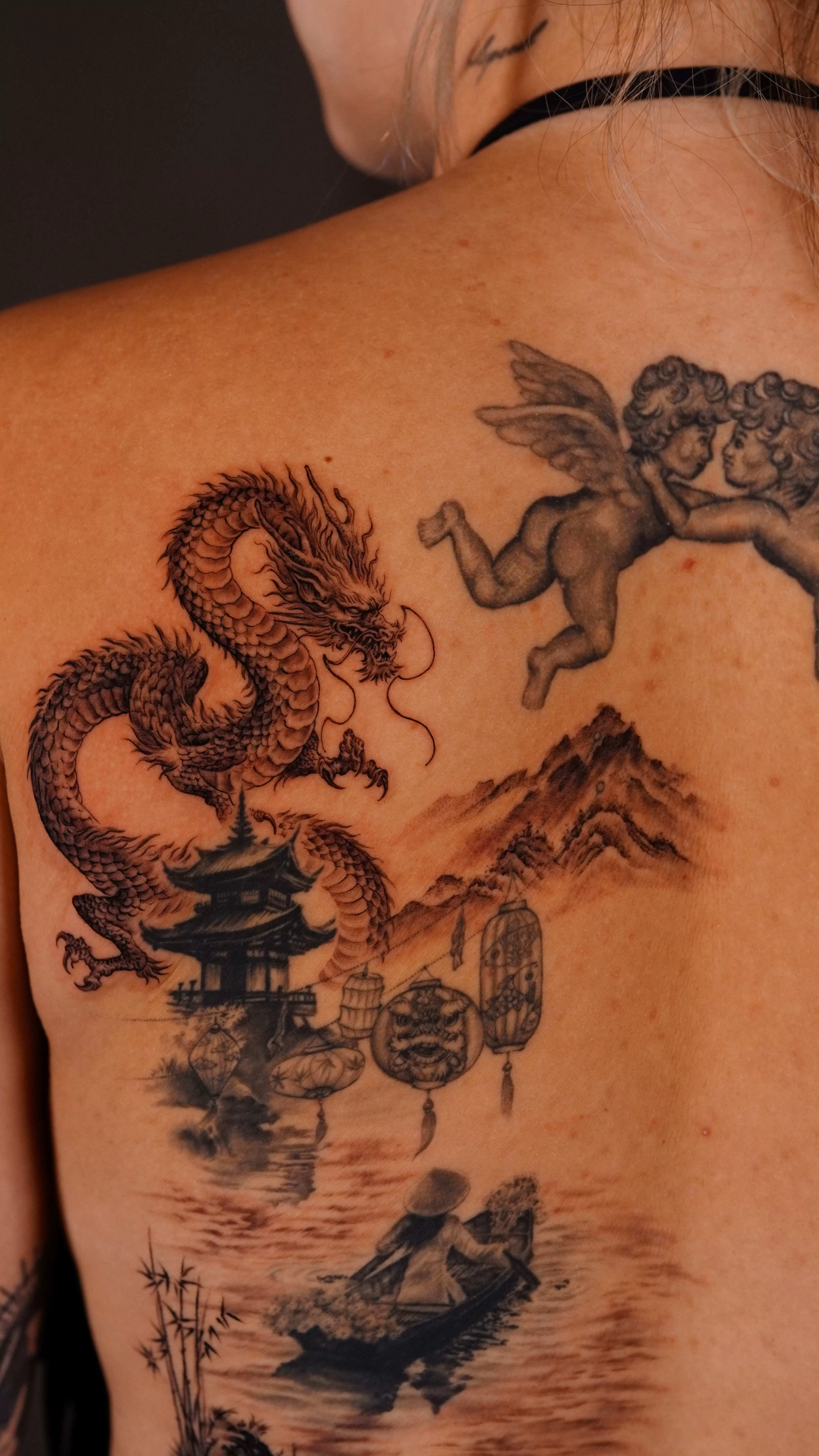
- Tattoo design: Asian dragons are one of the most popular tattoo designs, symbolizing strength, good fortune, and a strong personality.
- Illustrations in comics and games: Many comics, animations, and video games use Asian dragon imagery to create impressive mythical characters or legendary creatures.
- Logo and graphic design: Dragon images are often used in logos, posters, and graphic products to represent power, growth, and prestige.
- Fashion and cultural product decoration: Dragon patterns appear on clothing, accessories, decorative paintings, and souvenirs, bringing a strong sense of Eastern cultural aesthetics.
Thanks to the combination of cultural value and high artistic appeal, Asian dragon drawing continues to be a powerful source of creative inspiration in modern art and design.
Conclusion
Asian dragon drawing is a unique artistic style that deeply reflects the culture and traditions of many Asian countries. With its flowing lines, intricate details, and powerful symbolic meanings, the dragon has always held a special place in the world of art.
If you are passionate about drawing or want to explore Asian dragon drawing, join Silver Ant Tattoo by starting with the basic steps and continuously experimenting with creativity to create artworks that carry your own unique signature.